



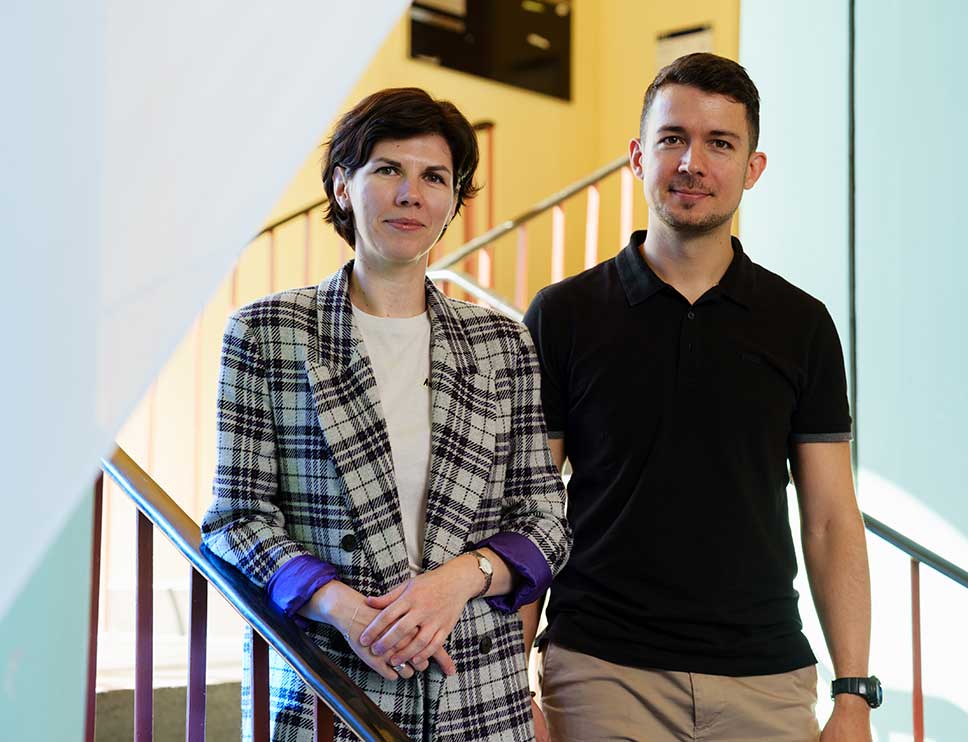
In medical diagnostics, speed and accessibility are critical but rarely achieved together. Many reliable tests still depend on centralized laboratories, complex equipment, and long processing times. A collaboration between attomol GmbH and ExciteLab startup Diamics tackled this challenge by making advanced testing simpler and easier to use outside of traditional lab settings. Supported by the European Union EDIH’s initiative, the project focused on bringing fast and reliable diagnostics directly into everyday healthcare environments.
Rethinking Molecular Diagnostics
At the center of the project is a method called LAMP, which enables the detection of genetic material much faster than conventional techniques. While traditional approaches rely on liquid reagents that must be carefully stored and handled, Diamics has optimized the freeze-drying process for its purposes to create a more practical solution: small, freeze-dried beads that already contain all necessary components for the test. These beads are stable at room temperature, easy to transport, and simple to use, making them particularly suitable for decentralized applications.
.png?width=506&height=371&name=Design%20ohne%20Titel%20(25).png)
Proven Performance in Practice
Despite its simplified design, the system delivers highly reliable results. In tests for primary lactose intolerance, the new method achieved the same level of accuracy as established laboratory standards. It also performed strongly in differentiating apolipoprotein E genotypes, a genetic marker that plays an important role in determining eligibility for certain Alzheimer’s treatments. In addition to accuracy, the efficiency gains are significant. Testing time is reduced from several hours to just 15 to 40 minutes, allowing for much faster decision-making in clinical practice. At the same time, the method uses fewer materials and eliminates the need for expensive equipment, making each test more cost-efficient. These improvements highlight how advanced diagnostics can be both high-performing and practical at the same time.
.jpg?width=493&height=361&name=Design%20ohne%20Titel%20(50).jpg)
Another important outcome of the project was the successful testing and validation of production processes. Through iterative development, multiple batches of test kits were produced and evaluated to ensure consistent quality and stability over time. This step is essential for moving from a promising concept to a solution that can be reliably manufactured at scale.
Agile Collaboration as a Driver
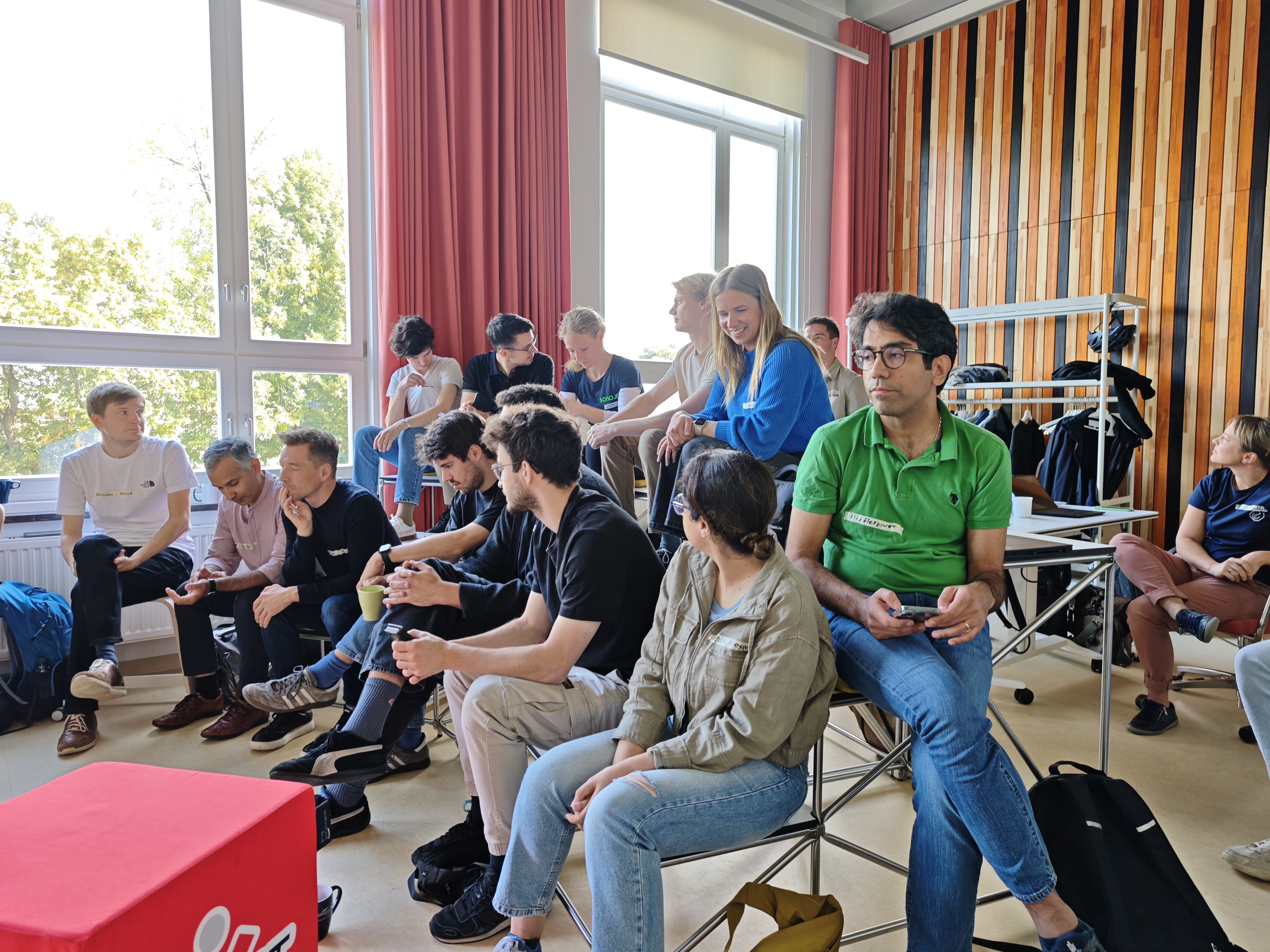
A key factor behind the project’s success is the way both companies collaborated. Diamics not only contributed its technology but also acted as a trainer, introducing agile project management methods such as Scrum. Both teams worked in short, iterative cycles, regularly reviewing progress and adapting based on new findings. Workshops, review meetings, and testing phases ensured continuous feedback throughout the project. Supported by digital tools for task tracking and data analysis, this approach created the flexibility needed to respond effectively to challenges.
Beyond the immediate project results, this way of working also created long-term value. Attomol was able to build new internal capabilities in agile project management, while Diamics strengthened its position as both a technology provider and innovation partner.
.jpg?width=572&height=419&name=Design%20ohne%20Titel%20(52).jpg)
Scaling Impact in a Growing Market
The impact of this project went beyond a single use case. With new Alzheimer’s therapies requiring mandatory genetic testing before treatment, the demand for fast and accessible diagnostics is expected to increase significantly. Solutions like the one developed by attomol and Diamics can help meet this demand by making testing more widely available, while also reducing costs and complexity for healthcare providers. At the same time, the collaboration created a strong foundation for future growth. Both partners explored ways to scale production and expand the technology to additional applications, including a broader range of genetic tests. By focusing on simplicity, speed, and reliability, this approach supported the shift of advanced diagnostics into everyday healthcare settings, improving accessibility overall.
This collaborative project was co-funded by EDIH Saxony. As part of the European Digital Innovation Hubs (EDIH) program of the European Union, EDIH Saxony provides comprehensive support to companies, particularly small and medium-sized enterprises as well as Public Sector Organizations, in integrating digital technologies. By fostering research, development, and implementation of digital innovations, EDIH Saxony contributes to strengthening the regional economy and increasing digital transformation.
This text was created with the help of AI and has been edited.
/RootCamp_Logo-Ecosystem.png?width=200&name=RootCamp_Logo-Ecosystem.png)

/Bitroad_Logo-Ecosystem.png?width=200&name=Bitroad_Logo-Ecosystem.png)